



Translational pharmacology pursues research at the interface of non-clinical and clinical sciences. Our scientific focus is the personalization of drug therapy for chronic diseases. We investigate mechanisms of variability in therapeutic and adverse drug effects using laboratory experiments and carefully conducted proof-of-concept clinical studies.
We are particularly interested in lipid mediators within the eicosanoid biosynthetic response pathway. Most cells in the organism can synthesize eicosanoids, which play important regulatory roles in many physiological and pathological processes. These include inflammation, inflammatory pain, blood pressure regulation, atherosclerosis, thrombosis, tumor growth, and immunity. We conduct deep-phenotyping studies in model systems and humans, involving precise measurements of molecular network topologies and dynamics using omics technologies.

Previous and Current Research
Non-steroidal anti-inflammatory drugs (NSAIDs) are widely used for pain and inflammation. They work by inhibiting eicosanoid formation, specifically cyclooxygenase (COX) enzymes 1 and/or 2. However, their use is associated with serious cardiovascular complications. Our group studies how and why people respond differently to NSAIDs like aspirin and ibuprofen. We have shown that individual responses may be predicted by specific biological markers (1), and true genetic resistance to aspirin is very rare (2). Our work has led to new methods for analyzing drug effects and drug interactions (3), forming the basis for ongoing research into genetic and non-genetic factors that influence treatment outcomes. At CeBiTec, we investigate the molecular mechanisms behind these side effects and the individual variability in drug response.
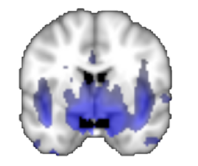
We are working to improve non-addictive pain relief by understanding why NSAIDs like ibuprofen work well for some people but not others. By studying pain after minor surgery, we found that the need for stronger painkillers varies and is linked to biological markers (4). We are also collaborating on innovative treatments, such as nanotherapeutics, to target inflammation (5).
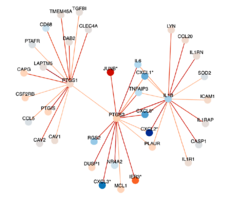
Our group also develops computational tools for analyzing large-scale biological data. These methods help us and others study protein dynamics (6), genetic associations (7), and biological rhythms (8) across different models. We continue to collaborate on advanced data analysis techniques for genomics and proteomics.

We identified that naproxen, a traditional NSAID, lowers plasma tryptophan levels in humans and mice, independent of COX inhibition (9). This effect is linked to the gut microbiome and may contribute to cardiovascular and gastrointestinal side effects. Supplementing tryptophan in mice reduced both adverse gene expression and intestinal injury caused by naproxen, suggesting a potential strategy to mitigate NSAID side effects.
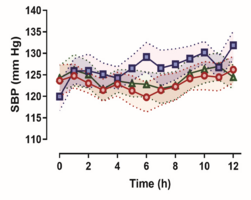
We also found that naproxen, compared to celecoxib, causes greater COX-2 inhibition and a more significant increase in blood pressure—an effect that correlates with the degree of COX-2 inhibition (10).
Current research at CeBiTec includes clinical trials examining how NSAIDs affect blood pressure and how the gut microbiome may contribute to individual differences in drug response.